

Making your home smarter is a great way to improve your quality of life. Not only does it make things easier and more convenient, but it can also save you money on your energy bills. With all the integration and ease, you’ll no longer need to worry about your home safety. Indeed, this project has absolutely worked like magic for many people. But starting a smart home project can be daunting if you don’t know where to start. Lucky for you, here you will learn some expert tips to help make your project easier and smoother.
Plan the Layout of Your Smart Home
 The layout of your home will play a significant role in how you go about making it smarter. You’ll need to consider things like where your outlets are, where your internet router is, and what kind of devices you want to use. If you plan everything out ahead, you’ll be less likely to run into issues later. One of the best ways to plan the layout of your smart home is to use a smart home planner tool. It will allow you to input the dimensions of your rooms and then add in the various devices you want to use. You can even try out different layouts to see what works best for you.
Choose a Smart Hub
Once you have the layout of your smart home, it’s time to choose a smart hub. The smart hub is the brains behind your operation and will be responsible for controlling all of your devices. There are a few different options on the market, so you’ll need to decide which one is right for you. One thing to consider is whether you want a wired or wireless hub. Wireless hubs are generally easier to set up, but wired hubs tend to be more reliable. Another thing to consider is the platform that your devices use. If all of your devices use the same platform, then it will be much easier to control them with a single hub.
Bring in All Smart Fixtures
 Now that your hub is set up, it’s time to start bringing in all your smart fixtures. These are the devices that will actually make your home smarter. There are a ton of different options out there, so you’ll need to decide which ones are right for you. Some things to consider include lighting, thermostats, security cameras, and digital door locks. You’ll also need to decide whether you want to use battery-powered or wired devices. Battery-powered devices are generally easier to install, but wired devices tend to be more reliable.
Give Them a Test and Review Them
 Once you have all of your devices installed, it’s time to give them a test. Start by controlling each device individually to ensure they’re working as expected. Then, try out more advanced features to see how well they work together. Finally, take some time to review each device and see if there are any areas that can be improved. After all, this is your smart home, and you should ensure it’s just the way you want it. Creating a perfect home environment that can ease your daily tasks isn’t rocket science. Still, it requires a bit of careful planning. By following the tips above, you can be sure that your smart home project will go much smoother. You also need to keep an eye on the latest trends in smart homes to see what new devices and features are available. By staying up-to-date, you’ll be able to make your home even smarter.…
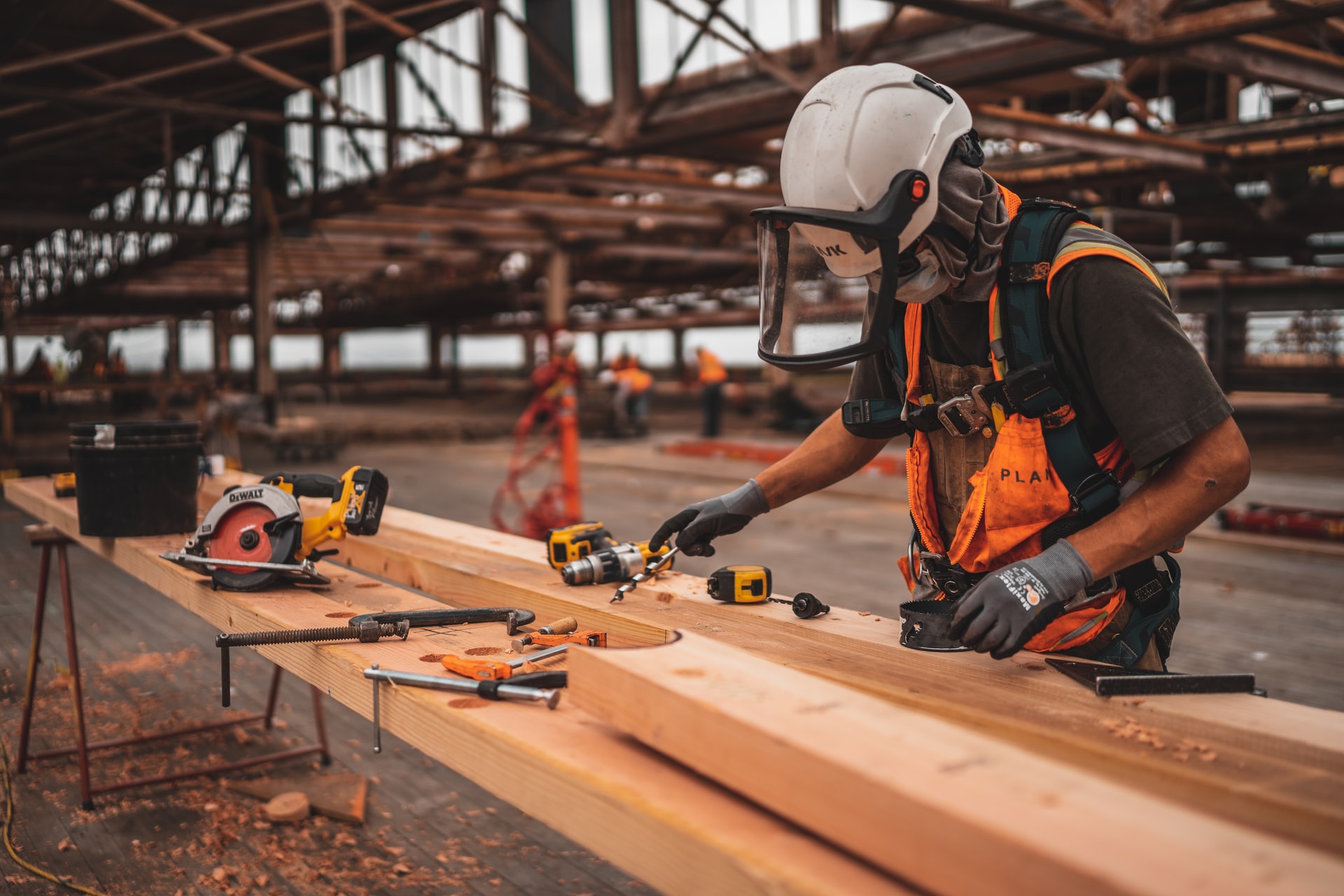
 Manual Handling training is a course for home construction workers on the proper techniques and procedures to prevent injuries from lifting, moving, carrying, or handling objects. In Massachusetts, employers are required by law to provide manual handling training every two years. Homebuilding companies should have their employees take part in this program at least once every two years because it will help prevent injuries, which are expensive to the company. Home construction employees who move or handle objects must be aware of proper lifting techniques and always bend their knees when picking up heavy items. Workers should never lift more than 50 pounds at a time unless they have received specific training for this type of task. Other helpful information covered in manual handling training includes the best way to use a forklift, what kinds of equipment are available for moving heavy objects and how to handle hazardous materials.
 Practical exercises are performed in the actual workplace but with the comforts of an indoor training room or gymnasium, allowing workers to perform these tasks safely before being exposed to them on site. The final component is debriefing – this allows for learning about what works and doesn’t work within the actual workspace, which you can use to develop training programs for future employees. And finally, the most crucial part is being mindful of your surroundings. It would help if you had specific tools before moving heavy objects on-site, including a weightlifting belt, knee pads, and protective footwear. If any entity has sharp edges or protruding nails, it’s best to move it with someone else to avoid injuries. As you can see, manual handling training for home construction workers is essential and should be a priority.