Air duct cleaning isn’t exactly a hot topic at neighborhood barbecues, but when it comes up, opinions tend to fly. Some homeowners swear it’s unnecessary. Others assume it’s a quick vacuum job anyone can handle. Much of the confusion comes from misinformation about the tools and technology involved. If you’ve ever wondered what’s fact and what’s fiction, it’s time to clear the air and break down some of the most common myths surrounding air duct cleaning equipment.
All Air Duct Cleaning Tools Are Basically the Same
One of the biggest misconceptions is that every company uses identical tools, so it doesn’t matter who you hire. In reality, duct cleaning equipment can vary significantly in quality, power, and effectiveness. Professional-grade systems often include high-powered negative air machines, industrial vacuums, rotary brush systems, and compressed air tools designed to dislodge stubborn debris. Cheaper or outdated tools may not generate enough suction to remove deeply embedded dust and contaminants. The difference in results can be dramatic. Assuming all equipment is equal can lead homeowners to choose services based solely on price, without realizing the impact that better tools can have on the outcome.
A Shop Vacuum Can Do the Same Job
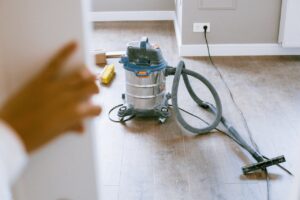 It might seem logical to think that a heavy-duty shop vacuum could handle duct cleaning. After all, it works well in garages and workshops. However, residential HVAC systems are far more complex than an open floor space. Professional air duct cleaning requires specialized equipment that creates negative pressure throughout the entire system while agitating debris inside the ducts. A standard vacuum simply can’t reach deep into the ductwork or maintain the airflow needed to safely and thoroughly remove buildup. Attempting a DIY approach often results in only partial cleaning, leaving much of the debris behind.
High-Tech Equipment Means It’s Always a Scam
Some homeowners become skeptical when they see large machines, long hoses, and advanced tools. There’s a perception that impressive-looking equipment is just for show. While it’s smart to be cautious of high-pressure sales tactics, professional-grade tools are actually essential for effective cleaning. Powerful vacuums and agitation devices are designed to protect your HVAC system while efficiently removing contaminants. When used correctly by trained technicians, this equipment helps prevent damage and ensures debris is fully extracted rather than simply stirred up and redistributed.
Equipment Alone Guarantees Great Results
On the flip side, some people believe that as long as a company has modern tools, the job will automatically be done well. Equipment is important, but it’s only part of the equation. Proper training, experience, and attention to detail matter just as much. A skilled technician understands how to access different parts of the HVAC system, including supply and return ducts, registers, coils, and the air handler. Without proper knowledge, even the most advanced tools can be misused or applied incorrectly. Good results come from the combination of capable professionals and reliable equipment working together.
Air Duct Cleaning Equipment Damages Ductwork
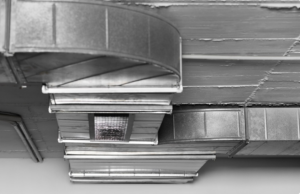 Another common fear is that the cleaning process could harm your ducts. While aggressive or improper techniques can cause issues, reputable professionals use equipment specifically designed for HVAC systems. Brushes and air whips are selected based on the type of ductwork, whether it’s sheet metal or flexible ducting. When performed correctly, cleaning does not damage the system. In fact, removing excessive debris can help your HVAC system operate more efficiently by improving airflow and reducing strain. The key is hiring a qualified company that understands how to use the tools safely.
If You Can’t See the Dirt, the Equipment Isn’t Working
Because ductwork is hidden behind walls and ceilings, homeowners sometimes question whether cleaning is truly effective. Just because you can’t see piles of dust afterward doesn’t mean the equipment didn’t do its job. Professional services often use cameras or provide before-and-after photos to show what was removed. Much of the debris extracted is fine dust and microscopic particles that wouldn’t appear dramatic in a pile but still affect indoor air quality. The absence of visible mess doesn’t equal a lack of results.
Misinformation about air duct cleaning equipment can make it difficult to know what to believe. From assumptions about DIY tools to skepticism about professional machinery, these myths often prevent homeowners from making informed decisions. The reality is that effective air duct cleaning depends on both quality equipment and trained technicians. By understanding the facts, you can feel more confident about maintaining a cleaner, healthier home environment.…